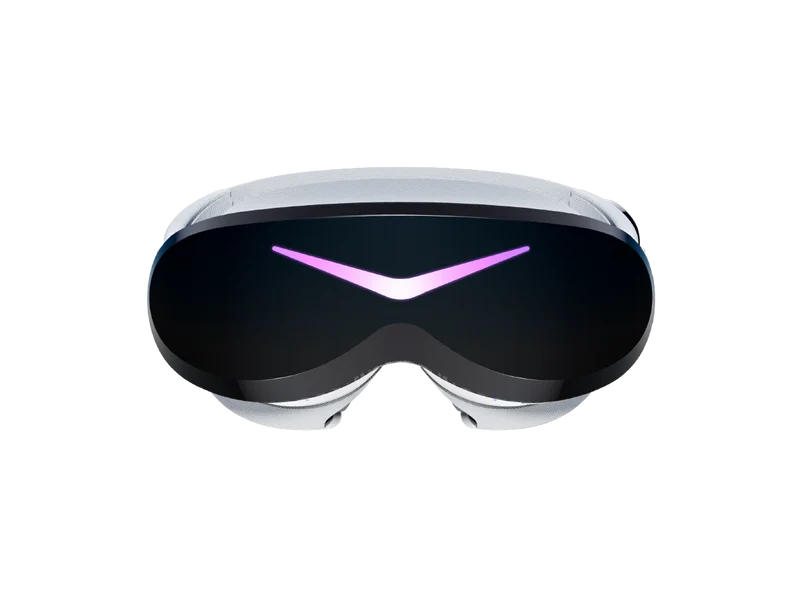
The virtual reality landscape is evolving rapidly, and the Pimax Dream Air SE VR Headset is one of the most ambitious attempts to balance premium visuals, portability, and affordability. Positioned as a compact yet high-performance VR device, it aims to bridge the gap between bulky enthusiast headsets and lightweight everyday VR.
In this in-depth review, we explore everything—from features and performance to comparisons and buying considerations—to help you decide whether this headset is worth your investment.
What is Pimax Dream Air SE?
The Pimax Dream Air SE is a 5K Micro-OLED VR headset designed for PC VR users who want high-end immersion without the bulk or ultra-premium price tag. It combines cutting-edge optics, lightweight engineering, and advanced tracking technologies in a surprisingly compact form factor.
Unlike traditional VR headsets, it focuses heavily on comfort, portability, and visual fidelity, making it ideal for long gaming sessions and professional applications.

Key Features of Pimax Dream Air SE
1. Ultra-Sharp Micro-OLED Display
At its core, the Dream Air SE features 2560 × 2560 resolution per eye, delivering over 5K combined resolution.
- True blacks and infinite contrast (thanks to Micro-OLED)
- Reduced motion blur
- High pixel density for crystal-clear text and visuals
This makes it ideal for:
- Simulation gaming (flight, racing)
- VR productivity apps
- Cinematic experiences
2. ConcaveView Pancake Optics
Pimax’s proprietary ConcaveView pancake lenses enhance both clarity and immersion.
- Improved edge-to-edge sharpness
- Compact optical stack (enables smaller headset design)
- Reduced distortion compared to traditional Fresnel lenses
These optics also contribute to the headset’s wide field of view (~105°), delivering a more natural viewing experience.
3. Lightweight and Compact Design
One of the biggest highlights:
- Weight: under 140 grams
- Ultra-compact body
- Modular headstrap support
This is significantly lighter than most VR headsets, making it:
- Comfortable for long sessions
- Ideal for travel or mobile setups
- Less strain on neck and face
4. Advanced Tracking System
The headset includes multiple tracking options:
- Inside-out SLAM tracking
- Optional Lighthouse tracking
- Eye tracking (Tobii-based)
- Hand tracking support
These features enable:
- Controller-free interaction
- Accurate movement tracking
- Dynamic foveated rendering (DFR)
DFR improves performance by rendering high detail only where your eyes focus.
5. Integrated Spatial Audio
Unlike some minimalist headsets, the Dream Air SE includes:
- Built-in spatial audio
- Immersive 3D sound positioning
This eliminates the need for external headphones while maintaining immersion.
6. PC VR Compatibility & Performance Optimization
The headset connects via DisplayPort, ensuring:
- Uncompressed visuals
- Low latency
- Compatibility with high-end GPUs
It supports both NVIDIA and AMD GPUs, with recommended specs including RTX 3080 or higher for optimal performance.
7. Dynamic Performance Features
Pimax includes several optimization tools:
- Dynamic Foveated Rendering
- GPU upscaling
- Sharpening algorithms
These allow the headset to balance performance and visual quality efficiently.
Performance Analysis
Visual Performance
The Micro-OLED panel ensures:
- Exceptional contrast and color depth
- Minimal screen-door effect
- Crisp readability for text-heavy apps
Compared to LCD-based VR headsets, the difference is immediately noticeable—especially in dark scenes.
Gaming Performance
The Dream Air SE is built for PC VR gaming, not standalone usage.
Strengths:
- High refresh clarity
- Smooth rendering with DFR
- Works with SteamVR and OpenXR
Limitations:
- Requires a powerful PC
- Performance varies based on GPU
Tracking Performance
Inside-out tracking works well for most users, but:
- Lighthouse tracking offers superior precision
- SLAM tracking may vary depending on environment
Battery & Power
Unlike standalone VR headsets, the Dream Air SE is:
- PC-powered via cable (DisplayPort)
- No internal battery dependency
Advantages:
- Unlimited playtime
- Consistent performance
Drawbacks:
- Requires wired setup
- Less portable than standalone devices
Comparison Table: Dream Air SE vs Dream Air
| Feature | Dream Air SE | Dream Air |
|---|---|---|
| Resolution | 2560×2560 per eye | 3840×3552 per eye |
| Total Output | ~5K | ~8K |
| Weight | <140g | <170g |
| Field of View | ~105° | Wider (110°+) |
| Price | Affordable | Premium |
| Target User | Casual + Enthusiasts | Hardcore VR users |
Pros and Cons
Pros
✔ Ultra-lightweight design
✔ High-resolution Micro-OLED display
✔ Advanced eye tracking & DFR
✔ Compact and travel-friendly
✔ Strong PC VR compatibility
✔ Integrated audio
Cons
✘ Requires high-end PC
✘ Wired connection limits mobility
✘ Field of view smaller than flagship models
✘ SLAM tracking may not match Lighthouse precision
Buying Considerations
Before purchasing the Pimax Dream Air SE, consider the following:
1. PC Requirements
This headset is not beginner-friendly for low-end systems.
- Minimum: RTX 2070-level GPU
- Recommended: RTX 3080+
If your PC isn’t powerful, you won’t unlock its full potential.
2. Use Case
Best For:
- PC VR gaming
- Simulators (flight/racing)
- VR professionals
Not Ideal For:
- Standalone VR users
- Casual mobile VR
3. Budget vs Performance
Priced around $899–$1199, it sits in a mid-to-high range.
It offers:
- Better value than flagship VR
- More features than budget headsets
4. Comfort & Ergonomics
If you prioritize long sessions and lightweight comfort, this headset is one of the best in its class.
Who Should Buy Pimax Dream Air SE?
The Dream Air SE is ideal for:
- VR enthusiasts wanting high-end visuals without flagship pricing
- Gamers who already own powerful PCs
- Users who prioritize comfort and portability
It is not the best choice for beginners or users looking for a standalone experience like Meta Quest devices.
Final Verdict
The Pimax Dream Air SE VR Headset represents a significant step forward in making high-quality VR more accessible and wearable.
It successfully combines:
- Premium Micro-OLED visuals
- Lightweight design
- Advanced tracking features
While it does require a powerful PC and sacrifices some field of view compared to premium models, it delivers exceptional value for serious VR users.
If you enjoyed this article, don’t miss our previous posts packed with tech insights and reviews—check them out on our website!