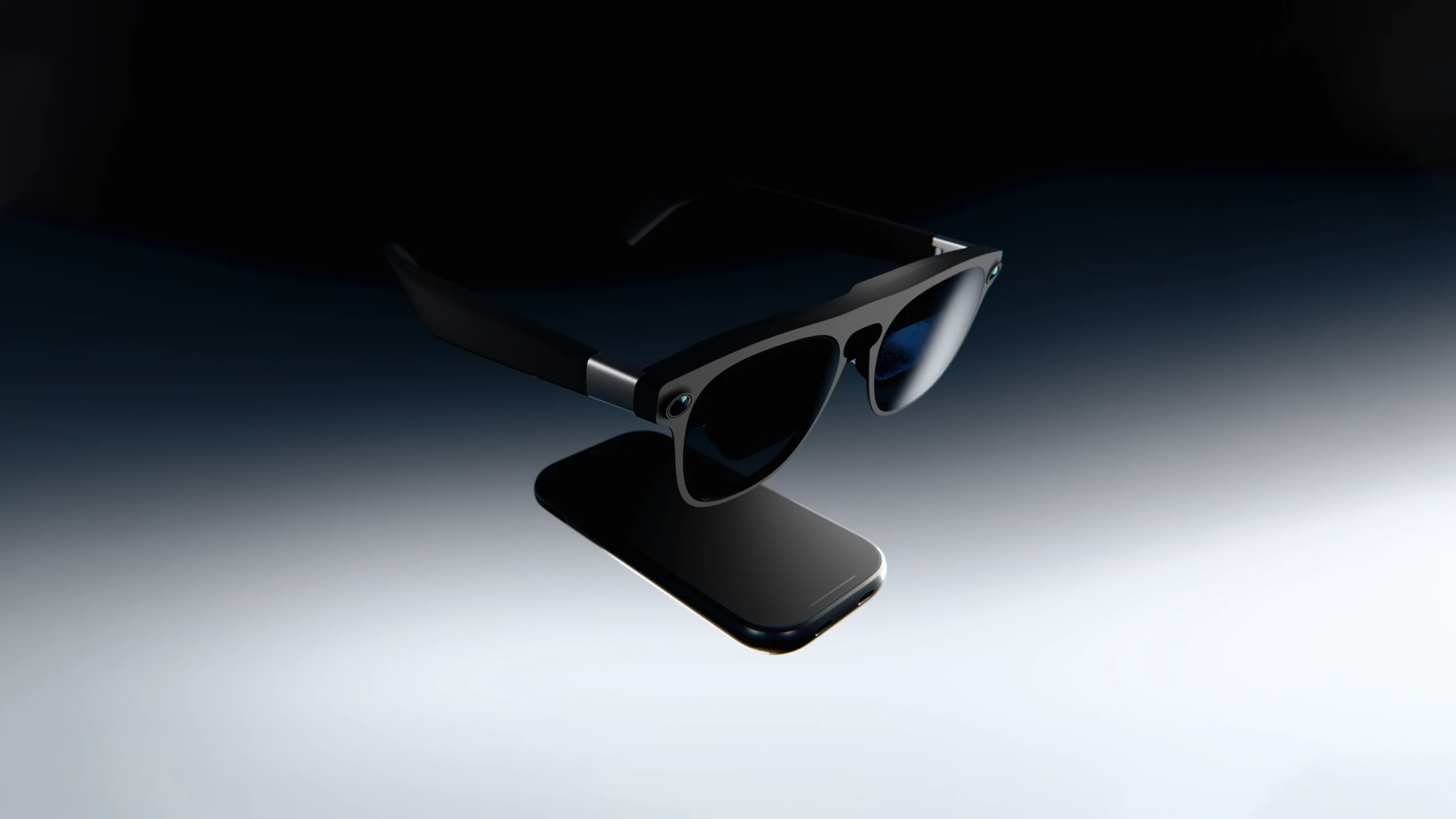
The XR (Extended Reality) industry is rapidly evolving, and XREAL Project Aura XR Glasses represent a bold step toward making augmented reality practical for everyday users. Built on the emerging Android XR platform and enhanced with advanced AI capabilities, these smart glasses are designed to merge digital intelligence seamlessly into your real-world environment.
Unlike bulky VR headsets, Project Aura focuses on lightweight wearability, real-time intelligence, and spatial computing, making it one of the most promising AR wearables of 2026.
This comprehensive guide explores the XREAL Project Aura XR Glasses in detail—covering features, performance, battery expectations, comparisons, pros & cons, and buying considerations.
Introduction: A New Era of Spatial Computing
The XR market is transitioning from experimental devices to practical tools for productivity and entertainment. XREAL Project Aura addresses key limitations of earlier AR glasses—particularly narrow field of view and limited software ecosystems.
By integrating Android XR and advanced AI (Gemini), these glasses aim to deliver a unified, intelligent experience where apps, data, and digital overlays coexist naturally with the real world.
This shift positions Aura as a strong contender in the next generation of wearable computing devices.
Features
1. Android XR Platform Integration
Project Aura is among the first devices powered by Android XR, a dedicated operating system for extended reality.
- Access to a wide ecosystem of Android apps
- XR-optimized user interfaces
- Seamless integration with Google services
This gives Aura a significant advantage over earlier AR glasses that relied heavily on smartphone mirroring.
2. Gemini AI Integration
AI is at the core of Project Aura’s experience.
- Context-aware assistance
- Real-time object recognition
- Voice-driven commands
This enables intuitive interactions, such as receiving live navigation prompts or contextual information without interrupting your workflow.
3. 70° Field of View (FOV)
Aura features a 70-degree field of view, which is significantly wider than most AR glasses.
Benefits:
- Larger and more immersive virtual displays
- Reduced visual constraints
- Enhanced spatial awareness
This improvement makes digital overlays feel more natural and less confined.
4. Dual-Chip Architecture (X1S + Snapdragon XR)
The glasses use a hybrid processing system:
- X1S chip for spatial computing tasks
- Snapdragon XR chipset for performance
Advantages:
- Efficient multitasking
- Improved thermal management
- Smooth rendering of AR environments
This architecture ensures a balance between power and efficiency.
5. Lightweight Split-Compute Design
Instead of embedding all hardware into the glasses, Aura uses an external compute module.
- Reduces weight on the face
- Improves long-term comfort
- Enhances battery capacity
This design makes the device more practical for extended use.
6. Gesture and Voice Controls
Aura supports intuitive interaction methods:
- Hand tracking gestures
- Voice commands powered by AI
- Minimal reliance on physical controllers
This creates a more natural and immersive user experience.
7. Optical See-Through Display
The glasses use transparent lenses that overlay digital content onto the real world.
- Maintains real-world visibility
- Enables contextual AR experiences
- Ideal for navigation and productivity
Performance
Real-World Usage
Productivity
- Virtual multi-screen workspace
- Floating app windows
- Efficient multitasking
Entertainment
- Personal cinema experience
- AR-enhanced gaming
- Future-ready 3D content support
Daily Utility
- Navigation overlays
- Real-time translations
- AI-powered assistance
The Snapdragon XR platform ensures low latency and responsive performance, making interactions smooth and reliable.
Performance Verdict
XREAL Project Aura excels in blending AI intelligence with spatial computing, transforming it from a simple display device into an interactive assistant.
Battery
While official battery specifications are not fully disclosed, the split-compute design provides several advantages:
Expected Features:
- Battery housed in external module
- Longer usage time compared to compact AR glasses
- Potential for extended or swappable battery solutions
Practical Impact:
- Reduced weight on glasses
- Better thermal efficiency
- More flexible usage duration
Comparison Table
| Feature | XREAL Project Aura | Apple Vision Pro | Meta Quest 3 |
|---|---|---|---|
| Form Factor | Lightweight glasses | Headset | Headset |
| OS | Android XR | visionOS | Horizon OS |
| Field of View | ~70° | ~100°+ | ~110° |
| AI Integration | Gemini AI | Siri-based AI | Meta AI |
| Portability | High | Low | Medium |
| Primary Use | AR + productivity | Mixed reality | VR gaming |
Project Aura focuses on practical everyday use, while competitors prioritize immersive experiences.
Pros and Cons
Pros
✔ Wide 70° field of view
✔ Android XR ecosystem support
✔ Advanced AI integration
✔ Lightweight and wearable design
✔ Efficient dual-chip architecture
✔ Hands-free interaction
Cons
✘ Requires external compute module
✘ Battery details not fully confirmed
✘ Limited XR apps at launch
✘ Less immersive than VR headsets
Buying Considerations
1. Intended Use
- Best for productivity and AR experiences
- Not ideal for heavy VR gaming
2. Software Ecosystem
Android XR is still developing, meaning:
- Limited app optimization initially
- Rapid future growth expected
3. Comfort vs Portability
- Lightweight glasses improve comfort
- External module adds complexity
4. Expected Pricing
Although pricing is not confirmed:
- Likely positioned as a premium product
- Potentially more affordable than high-end MR headsets
Who Should Buy XREAL Project Aura?
Ideal For:
- Early adopters of XR technology
- Developers exploring spatial computing
- Professionals seeking portable virtual displays
Not Ideal For:
- Casual users expecting simple plug-and-play devices
- Gamers focused on immersive VR
Verdict: A Forward-Thinking XR Device
XREAL Project Aura XR Glasses mark a significant evolution in wearable technology. By combining:
- Android XR ecosystem
- AI-powered intelligence
- Advanced optical design
…it introduces a new category of AI-driven spatial computing devices.
Final Verdict:
A powerful and innovative XR solution that prioritizes real-world usability over pure immersion—ideal for forward-looking users ready to embrace the future of augmented reality.
If you enjoyed this article, don’t miss our previous posts packed with tech insights and reviews—check them out on our website!


