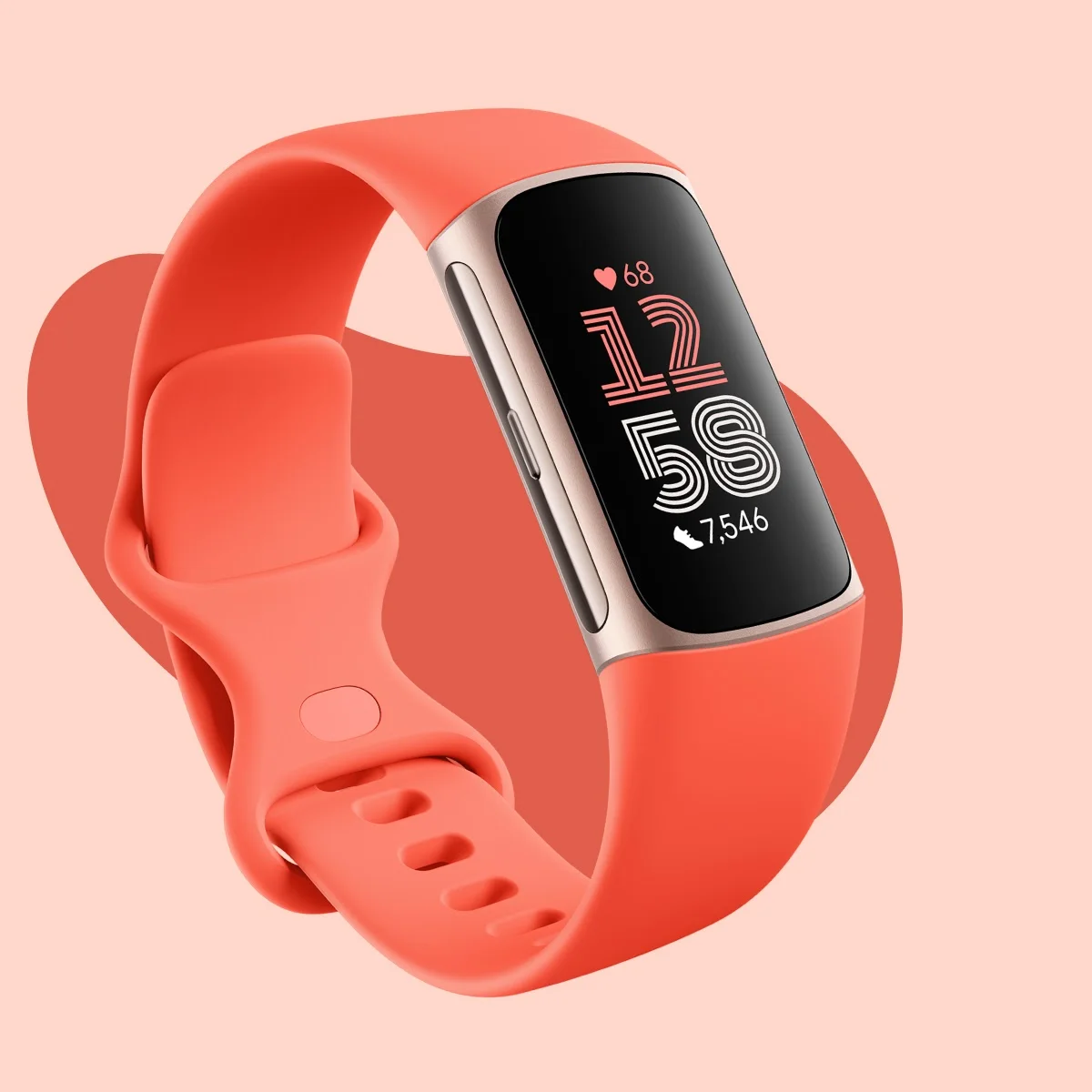
A Lightweight Fitness Tracker Designed for Smarter Health Monitoring
Wearable technology continues to evolve beyond simple step counting, with modern devices becoming comprehensive health companions capable of tracking sleep, stress, heart health, workouts, and daily wellness. Google has steadily expanded Fitbit’s ecosystem since acquiring the brand, focusing on delivering intelligent health insights powered by advanced sensors and AI-driven software.
The Google Fitbit Air is expected to represent a new generation of lightweight fitness wearables, combining Fitbit’s trusted health-tracking expertise with Google’s smart ecosystem. Designed for users who prioritize comfort, long battery life, and accurate wellness monitoring, the Fitbit Air aims to bridge the gap between a traditional fitness band and a full-featured smartwatch.
Unlike larger smartwatches that may feel bulky during workouts or sleep, the Fitbit Air emphasizes a slim, minimalist design that users can comfortably wear around the clock. It focuses on collecting meaningful health data while remaining unobtrusive throughout the day.
Whether your goal is improving fitness, monitoring sleep quality, reducing stress, or simply staying active, the Google Fitbit Air promises an intelligent and accessible wearable experience.
Google has not officially announced the complete specifications of the Fitbit Air. The information below is based on industry expectations, Fitbit’s existing product strategy, and credible reports. Final hardware and software features may vary upon launch.
Expected Google Fitbit Air Specifications
| Feature | Expected Details |
|---|---|
| Display | AMOLED Touch Display |
| Design | Ultra-lightweight Fitness Tracker |
| Operating System | Fitbit OS |
| Health Sensors | Heart Rate, SpO₂, Skin Temperature, Stress, Sleep Tracking |
| GPS | Connected GPS / Possible Built-in GPS |
| Exercise Modes | 100+ Workout Profiles |
| Water Resistance | 5 ATM |
| Connectivity | Bluetooth |
| Smart Features | Notifications, Google Services Integration |
| Battery Life | Up to 7–10 Days (Expected) |
| Compatibility | Android & iPhone |
Minimalist Design Focused on All-Day Comfort
One of the biggest advantages of the Google Fitbit Air is expected to be its lightweight construction.
Many users prefer fitness trackers over larger smartwatches because they are less noticeable during daily activities and sleep. Google appears to be embracing this philosophy by designing a wearable that feels comfortable whether you’re exercising, working, commuting, or relaxing at home.
The slim profile should make it easy to wear beneath long sleeves, while interchangeable bands are expected to provide greater personalization.
Its understated appearance also makes it suitable for both casual and professional settings.
Bright AMOLED Display
The Fitbit Air is expected to feature a vibrant AMOLED touchscreen that offers:
- Excellent outdoor visibility
- Sharp text
- Smooth animations
- Rich colors
- Always-On Display support (expected)
A brighter screen improves usability during outdoor workouts while maintaining excellent readability indoors.
Gesture controls and intuitive swipe navigation are likely to provide a familiar Fitbit user experience.
Comfortable Enough to Wear 24/7
Unlike heavier smartwatches that some users remove before sleeping, the Fitbit Air is expected to encourage continuous wear.
This is particularly important because many of Fitbit’s health insights rely on collecting data throughout the entire day and night.
The lightweight construction makes continuous tracking much easier.
Advanced Health Monitoring
Health tracking remains Fitbit’s biggest strength, and the Google Fitbit Air is expected to continue that tradition.
Continuous Heart Rate Monitoring
The wearable should continuously monitor heart rate throughout the day while delivering improved accuracy during workouts.
Users may also receive alerts for unusually high or low heart rate readings.
Blood Oxygen (SpO₂) Tracking
The Fitbit Air is expected to include SpO₂ monitoring, allowing users to better understand changes in blood oxygen levels during sleep and exercise.
Sleep Tracking
Sleep remains one of Fitbit’s most valuable features.
The Google Fitbit Air is expected to provide detailed reports covering:
- Deep Sleep
- Light Sleep
- REM Sleep
- Awake Time
- Sleep Score
- Sleep Consistency
Instead of simply reporting how long you slept, Fitbit analyzes overall sleep quality and long-term trends to help users develop healthier habits.
Stress Management
Stress tracking has become an essential wellness feature.
Using heart rate variability, activity levels, and physiological signals, the Fitbit Air is expected to estimate stress levels throughout the day while offering guided breathing exercises and mindfulness reminders.
Skin Temperature Monitoring
Changes in skin temperature can provide additional wellness insights.
The Fitbit Air may include overnight skin temperature tracking to help users monitor long-term health trends.
AI-Powered Health Insights
Google has increasingly integrated artificial intelligence into its health ecosystem, and the Fitbit Air is expected to benefit from these advancements.
Rather than simply displaying raw numbers, the device may analyze trends and offer personalized guidance, such as:
- Activity recommendations
- Recovery suggestions
- Sleep improvement tips
- Stress reduction reminders
- Personalized daily goals
- Weekly wellness summaries
This AI-driven approach transforms health data into actionable advice, making it easier for users to understand and improve their overall well-being.
Fitness Tracking for Every Lifestyle
Whether you’re an occasional walker or a dedicated athlete, the Fitbit Air is expected to support a wide range of activities.
Likely workout modes include:
- Walking
- Running
- Cycling
- Swimming
- Yoga
- HIIT
- Strength Training
- Hiking
- Rowing
- Elliptical
- Dance
- Outdoor Sports
Automatic workout recognition is also expected, allowing users to begin exercising without manually selecting an activity.
GPS Performance
Depending on the final model, the Fitbit Air may offer Connected GPS or built-in GPS.
Expected navigation benefits include:
- Accurate route tracking
- Pace measurements
- Distance calculations
- Running statistics
- Outdoor workout mapping
For runners, cyclists, and hikers, reliable GPS data can significantly improve workout analysis.
Smart Features Beyond Fitness
Although fitness remains the primary focus, the Google Fitbit Air is expected to include several useful smart features.
Potential highlights include:
- Smartphone notifications
- Calendar reminders
- Weather updates
- Alarm controls
- Music playback controls
- Find My Phone
- Google ecosystem integration
These features allow users to stay connected without constantly reaching for their smartphones.
Battery Life
Battery endurance has traditionally been one of Fitbit’s strongest advantages.
The Fitbit Air is expected to deliver approximately one week—or more—of everyday use depending on display settings and activity levels.
Typical usage may include:
- Continuous heart-rate monitoring
- Sleep tracking
- Notifications
- Daily workouts
- Automatic activity tracking
This extended battery life makes it a practical choice for users who dislike charging their wearable every night.
Fitbit App Experience
The Fitbit mobile app remains one of the platform’s greatest strengths.
Users can review:
- Daily activity
- Weekly trends
- Monthly progress
- Sleep history
- Heart rate analysis
- Exercise summaries
- Wellness goals
The app presents complex health data in an easy-to-understand format while encouraging long-term habit building.
Google Fitbit Air vs Previous Fitbit Fitness Trackers
| Feature | Earlier Fitbit Models | Google Fitbit Air |
|---|---|---|
| Design | Lightweight | Even Slimmer Design |
| Display | AMOLED | Improved AMOLED |
| AI Insights | Basic | More Personalized |
| Sleep Tracking | Excellent | Enhanced Analysis |
| Health Sensors | Comprehensive | Improved Accuracy |
| Battery Life | Good | Longer Expected Runtime |
| Google Integration | Limited | Expanded Integration |
The Fitbit Air is expected to focus on refinement rather than radical redesign, offering incremental improvements across hardware, software, and AI-powered wellness features.
Pros and Cons
Pros
- Extremely lightweight design
- Comfortable for all-day and overnight wear
- Advanced sleep tracking
- Comprehensive health monitoring
- AI-powered wellness insights
- Long battery life
- Bright AMOLED display
- Automatic workout detection
- Easy-to-use Fitbit app
- Strong Google ecosystem integration
Cons
- Final specifications have not been officially confirmed
- Advanced health features may require a subscription in some regions
- Smaller display compared to full-featured smartwatches
- Limited third-party app support compared to premium smartwatch platforms
Buying Considerations
Before considering the Google Fitbit Air, think about your priorities.
Buy It If You:
- Want a lightweight fitness tracker
- Prioritize sleep and health monitoring
- Prefer long battery life
- Exercise regularly
- Need continuous wellness tracking
- Appreciate Google’s software ecosystem
- Want a comfortable wearable for 24/7 use
Skip It If You:
- Need advanced smartwatch apps
- Prefer a larger display
- Want standalone cellular connectivity
- Require extensive productivity features
- Expect premium smartwatch-level customization
Who Should Buy the Google Fitbit Air?
The Fitbit Air is expected to appeal to a broad audience, including:
- Beginners starting a fitness journey
- Daily walkers
- Runners
- Cyclists
- Students
- Office professionals
- Travelers
- Wellness enthusiasts
- Users focused on improving sleep quality
Its lightweight design and user-friendly experience make it particularly attractive for people who value comfort and simplicity.
Google Fitbit Air vs Other Fitness Trackers
| Feature | Google Fitbit Air | Typical Fitness Tracker |
|---|---|---|
| Design | Ultra-Lightweight | Lightweight |
| Sleep Tracking | Advanced | Good |
| Health Insights | AI-Powered | Standard |
| Battery Life | Excellent | Good |
| Google Integration | Strong | Limited |
| Workout Modes | 100+ Expected | 50–100 |
| Comfort | Excellent | Good |
| Value | High | Moderate |
The Fitbit Air’s expected strengths lie in combining Google’s intelligent software with Fitbit’s trusted health-tracking platform.
Is the Google Fitbit Air Worth Waiting For?
If the expected features become reality, the Google Fitbit Air has the potential to become one of the most compelling fitness trackers of 2026. Its lightweight design, long battery life, advanced health monitoring, AI-driven wellness insights, and seamless Google integration position it as an attractive option for users seeking a comfortable, health-focused wearable.
Rather than trying to compete directly with premium smartwatches, the Fitbit Air appears designed for those who prioritize wellness, simplicity, and reliable everyday performance.
However, prospective buyers should wait for Google’s official announcement to confirm pricing, hardware specifications, and software capabilities before making a purchasing decision.
Final Verdict
The Google Fitbit Air looks poised to continue Fitbit’s reputation for delivering practical, user-friendly fitness wearables. If it launches with the expected combination of improved health sensors, intelligent AI coaching, comprehensive sleep tracking, and extended battery life, it could become one of the best lightweight fitness trackers available in 2026.
For users seeking a wearable that emphasizes health, comfort, and long-term wellness rather than flashy smartwatch features, the Google Fitbit Air is shaping up to be a highly promising option worth watching.
If you enjoyed this article, don’t miss our previous posts packed with tech insights and reviews—check them out on our website!


