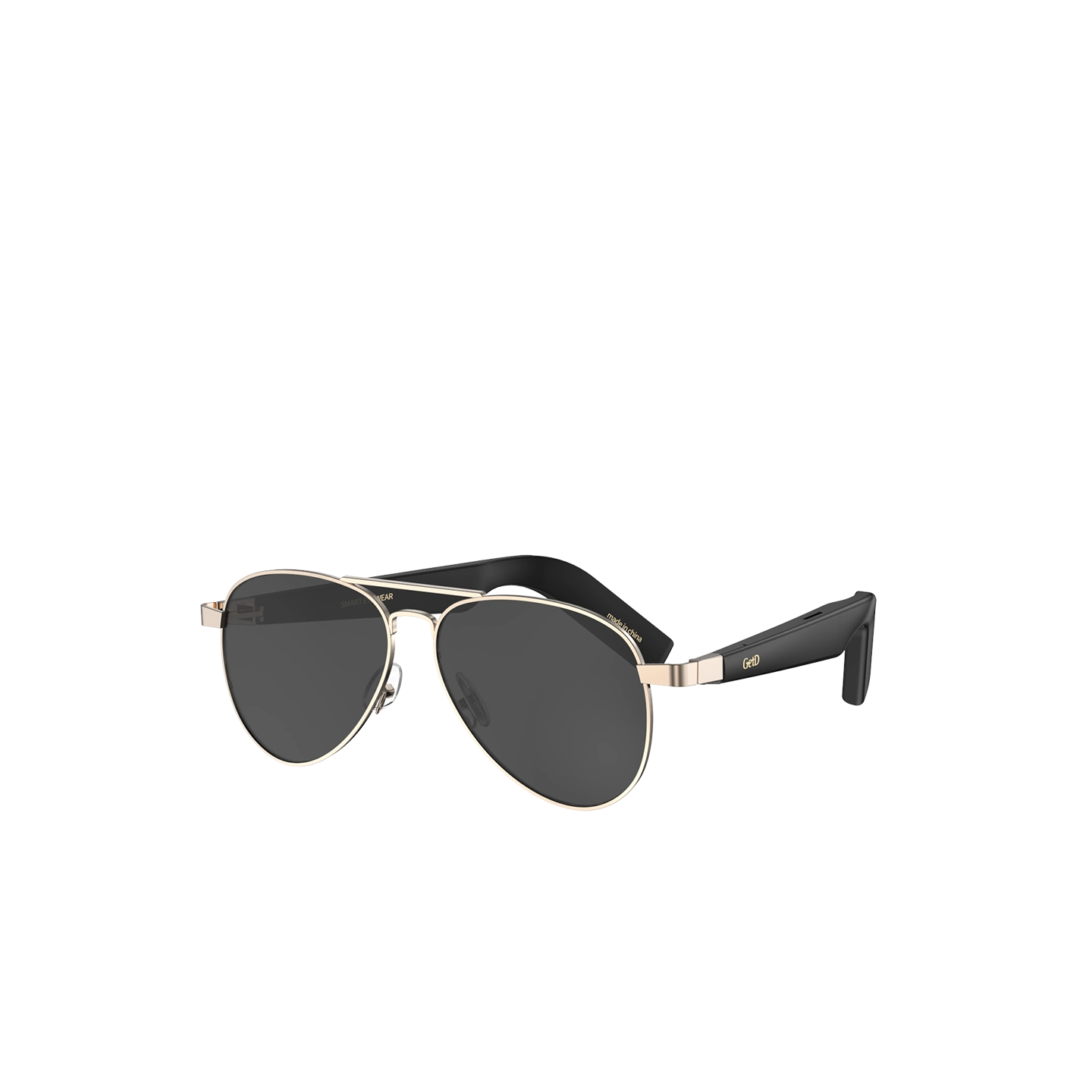
A Smart, Affordable Leap Into Wearable Intelligence
The wearable technology landscape in 2026 is evolving at a remarkable pace, and AI-powered smart glasses are rapidly transitioning from niche gadgets to everyday essentials. Among emerging players, GetD 2026 AI Glasses have captured attention for combining affordability, AI intelligence, and practical usability into a lightweight design.
Unlike bulky early-generation smart eyewear, GetD focuses on a “human-first” approach—delivering advanced features such as real-time translation, voice-controlled AI assistance, and open-ear audio without compromising comfort or style.
This article offers a comprehensive deep dive into GetD 2026 AI Glasses, covering features, performance, battery life, comparisons, and buying considerations to help you determine whether these AI-powered glasses are worth your investment.
What Are GetD 2026 AI Glasses?
GetD 2026 AI Glasses are next-generation wearable devices designed to integrate artificial intelligence into everyday life. Built with lightweight materials like B-Titanium and acetate frames, they blend seamlessly with traditional eyewear aesthetics while embedding smart capabilities.
At their core, these glasses function as:
- A real-time translator
- A voice-controlled AI assistant
- A hands-free audio device
- A health-monitoring wearable
Powered by AI models similar to ChatGPT and cloud-based systems, the glasses deliver contextual responses, voice interaction, and language translation in real time.

Key Features of GetD 2026 AI Glasses
1. Real-Time AI Translation (145+ Languages)
One of the standout features is real-time translation across 145 languages, making these glasses particularly useful for travel, business communication, and multilingual environments.
Unlike smartphone apps, translation happens hands-free, enabling seamless conversations without interruptions.
2. ChatGPT-Powered Voice Assistant
The integration of AI voice assistance allows users to:
- Ask questions
- Get directions
- Summarize information
- Control smart devices
This aligns with the broader trend of AI glasses becoming “ambient computing devices” that replace traditional screen-based interactions.
3. Open-Ear Audio Technology
The glasses feature an open-ear audio system that:
- Allows music playback
- Supports calls
- Maintains environmental awareness
This design is ideal for commuting, working, or exercising without isolating yourself from surroundings.
4. Smart Health Monitoring
A unique innovation in GetD glasses is the inclusion of:
- Cervical spine monitoring
- Fall detection alerts
These features position the device beyond entertainment, moving into the health-tech category.
5. Photochromic & Polarized Lenses
The glasses include:
- UV400 protection
- Blue light filtering
- Adaptive (photochromic) lenses
This ensures usability in both indoor and outdoor environments.
6. Lightweight & Fashion-Oriented Design
Weighing approximately 29 grams, these glasses are designed for all-day wear.
Unlike earlier smart glasses, GetD emphasizes:
- Stylish frames
- Multiple lens shapes (aviator, rectangle, round)
- Minimal bulk
Performance: How Well Do GetD AI Glasses Work?
Performance is where GetD 2026 AI Glasses strike a balance between affordability and functionality.
AI Processing & Responsiveness
The voice assistant is responsive for basic queries and tasks. However, it relies heavily on cloud connectivity, which may introduce slight delays depending on network conditions.
Translation Accuracy
Translation is generally reliable for common languages but may struggle with:
- Regional dialects
- Technical vocabulary
Audio Quality
While the open-ear system is convenient, sound quality:
- Is clear at moderate levels
- Degrades at higher volumes
Connectivity
The glasses use Bluetooth 5.4, ensuring stable connectivity with smartphones and minimal latency.
Battery Life: Can It Last All Day?
Battery performance is a strong selling point.
- Music Playback: Up to 11 hours
- Call Time: Around 8 hours
- Standby: Extended usage with intermittent AI tasks
This makes GetD glasses competitive in the entry-level smart glasses category.
Technical Specifications Table
| Feature | GetD 2026 AI Glasses |
|---|---|
| Weight | ~29g |
| Translation | 145+ languages |
| AI Assistant | Yes (voice-controlled) |
| Battery Life | Up to 11 hours |
| Connectivity | Bluetooth 5.4 |
| Lenses | Polarized, UV400, Photochromic |
| Audio | Open-ear speakers |
| Health Features | Fall detection, posture monitoring |
Comparison: GetD vs Other AI Smart Glasses (2026)
| Feature | GetD 2026 AI Glasses | Ray-Ban Meta (Gen 2) | Solos AirGo V2 |
|---|---|---|---|
| Price | Budget-friendly | Premium | Mid-range |
| Translation | 145+ languages | Limited | Yes |
| AI Assistant | Yes | Advanced Meta AI | Multi-AI support |
| Camera | No | Yes | 16MP camera |
| Battery | 11 hours | Moderate | Swappable battery |
| Design | Lightweight & simple | Stylish | Modular |
| Audio Quality | Average | Good | Good |
GetD excels in affordability and translation features, while competitors offer stronger camera and ecosystem integration.
Pros and Cons of GetD 2026 AI Glasses
Pros
- Affordable compared to premium AI glasses
- Real-time translation in 145+ languages
- Lightweight and comfortable design
- Decent battery life (11 hours)
- Built-in AI assistant for daily tasks
- Health monitoring features
Cons
- Audio quality could be better
- Limited app ecosystem
- No built-in camera
- Occasional connectivity issues with companion app
Buying Considerations: Should You Buy GetD AI Glasses?
Before purchasing, consider the following factors:
1. Use Case
- Travelers: Excellent for translation
- Professionals: Useful for multitasking and calls
- Tech enthusiasts: Good entry into AI wearables
2. Budget
GetD glasses are significantly cheaper than premium competitors, often priced under $50 during deals.
3. Ecosystem Needs
If you want:
- Camera features
- Advanced AR displays
You may need higher-end alternatives.
4. Comfort & Style
These glasses prioritize everyday wearability, making them suitable for long-term use.
Who Should Buy GetD 2026 AI Glasses?
You should consider buying if you:
- Need affordable AI smart glasses with translation
- Prefer lightweight wearable tech
- Want hands-free communication and audio
Avoid if you:
- Need premium sound or camera features
- Want a full AR display experience
The Future of AI Glasses
AI glasses are rapidly becoming the next computing platform, shifting interaction from smartphones to ambient devices. Industry trends show:
- Increased adoption of voice-first interfaces
- Integration of multi-modal AI systems
- Growth in health and productivity features
GetD’s approach reflects this shift—prioritizing simplicity, accessibility, and everyday usability over complex AR visuals.
Final Verdict: Are GetD 2026 AI Glasses Worth It?
The GetD 2026 AI Glasses represent an important step toward mainstream AI wearables. They may not offer the advanced capabilities of premium models, but they deliver strong value in areas that matter most—translation, convenience, and affordability.
Verdict:
- Best for: Budget-conscious users, travelers, and first-time AI wearable buyers
- Not ideal for: Users seeking premium AR or high-end audio
In a market increasingly dominated by expensive smart eyewear, GetD stands out by democratizing access to AI-powered glasses—making them practical, wearable, and genuinely useful in daily life.
If you enjoyed this article, don’t miss our previous posts packed with tech insights and reviews—check them out on our website!